
A story of shells that hide the taste of the Mediterranean
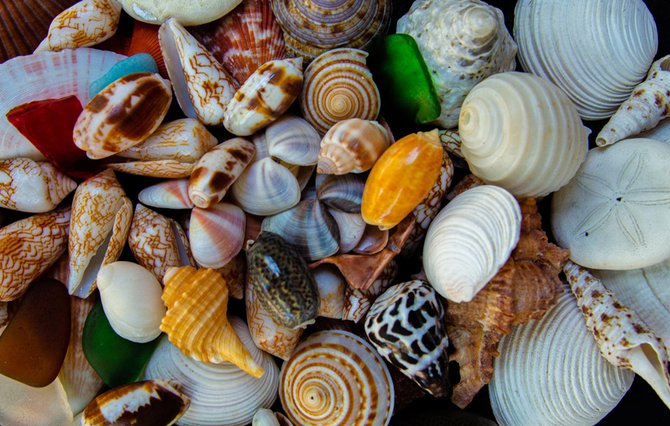
Secrets of the Istrian Sea
The sea in Istria is not just a blue expanse that calms us – it is alive, rich, and full of hidden treasures.
While the waves gently touch the shore, a silent world of shells and sea snails unfolds beneath the surface, each with its own story, shape, and role in nature.
This is a story about these small marine wonders – some that we are allowed to taste and others that we must protect.
Tastes of Istria: edible shells and snails
The sea also offers numerous delicious species that are part of the Istrian gastronomic tradition.
- Mussels (Mytilus galloprovincialis) Dark, elongated shells that grow in groups. They have a rich and full flavor and are ideal for preparation na buzaru.
- Oysters (Ostrea edulis) With an irregular, rough shell. They are special because they are often consumed raw, with a few drops of lemon.
- Limpets Small, conical organisms that adhere firmly to rocks. They have an intense taste of the sea and are prepared simply.
- Sea snails Marine snails with a spiral shell and firm meat. They are most often boiled or served in salads.
- Scallops Recognizable by their fan shape and valued for their delicate, slightly sweet meat.
- Warty venus and vongole Small shells that live in the sand and are often used in risottos and pastas because of their rich aroma.
Where the best shells are created
One of the most famous areas for shellfish farming is located in the Lim Channel, about half an hour's drive from Camp Peškera.
This protected marine bay is known for its clean water and ideal conditions for growing mussels and oysters.
Part of the area has a special protection status to preserve the natural balance.
How to recognize fresh shells
For safe consumption it is important to pay attention to several signs:
- Shells must be closed or close on touch
- The smell should be fresh, like the sea
- The shell must be moist and undamaged
- Shells that are open and do not react to touch are not safe for eating
- An unpleasant smell is a sign that the shell is not fresh
- After cooking, shells that have not opened are not consumed
How to prepare them
Istrian cuisine is based on simplicity and fresh ingredients:
- Raw, especially oysters
- "Na buzaru" with garlic, parsley, white wine, and olive oil
- In risotto
- With pasta
- Grilled or boiled
Guardians of the sea: protected species
In the Istrian sea live species that are strictly protected today.
Noble Pen Shell (Pinna nobilis) The largest shell of the Mediterranean, it can grow to more than one meter. It is upright, like a fan stuck into the seabed.
Once common, today it has almost disappeared due to disease and human impact. It is strictly protected and its removal or damage is subject to high fines.
Date Shells (Lithophaga lithophaga) Long, narrow shells that live hidden in rock.
Their extraction causes permanent damage to the coast because the rocks are broken, which is why they are strictly protected.
Fines for their extraction can reach several thousand euros. The coastal guard and inspections regularly monitor the sea and the coast to prevent illegal extraction and preserve the marine ecosystem.
A sea to be preserved
While we enjoy the wealth of the sea, it is important to behave responsibly and respect the rules. In this way we preserve nature and allow these stories to last for future generations.


